Most people do not have a free Saturday to clean the entire house from top to bottom. And when they do, the last thing they want is to spend it scrubbing the tub.
The good news is that a clean home does not come from one big effort. It comes from small, boring, repeatable tasks done on a schedule. A weekly cleaning schedule gives every chore a home on the calendar, so nothing piles up and nothing feels overwhelming.
Below is a simple plan with one focus task per day, a short daily reset, and a checklist you can adjust to your own home.
Why a Weekly Cleaning Schedule Works
A schedule takes the decision out of cleaning. Instead of walking into a messy room and wondering where to start, you already know: Monday is the kitchen, Tuesday is the bathrooms, and so on.
It also keeps each session short. Most daily focus tasks take 20 to 40 minutes, which fits into an evening or a slow morning. Because every area gets attention once a week, dirt never has time to build into a big job.
A few principles make it work:
- One focus area per day. Do not try to clean everything every day.
- A short daily reset. A few minutes each evening keeps the basics under control.
- Flexibility. If you miss a day, skip it and pick it up next week. The schedule should serve you, not guilt you.
The 15 Minute Daily Reset

Before the weekly tasks, there is one habit that matters more than any other: a quick reset at the end of each day. Set a timer for 15 minutes and do the following:
- Clear and wipe the kitchen counters. Put away anything that does not live there.
- Load or run the dishwasher and leave the sink empty.
- Do a quick pickup in the living room. Fold the throw, fluff the pillows, return cups to the kitchen.
- Sort the mail and toss the junk right away.
- Hang up or hamper clothes in the bedroom.
That is it. Waking up to a clear kitchen and a tidy living room makes the whole home feel cleaner, even if the floors are due for a wash.
Your Day by Day Weekly Cleaning Schedule

Here is a starting template. Move the days around to suit your week. If your busiest day is Wednesday, give it the lightest task.
Monday: Kitchen
The kitchen gets the most traffic, so it starts the week.
- Wipe the fronts of cabinets and appliances, especially handles.
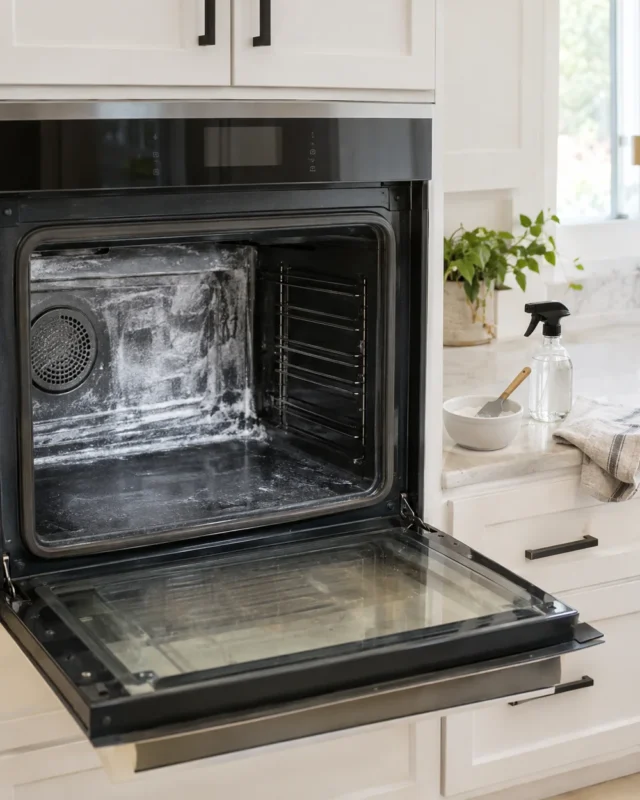
- Clean the stovetop and microwave inside and out.
- Wipe the inside of the fridge door and toss old leftovers.
- Scrub the sink and polish the faucet.
- Take out the trash and recycling, then wipe the bins.
Time: about 30 to 40 minutes.
Tuesday: Bathrooms
- Spray the shower and tub, let the cleaner sit, then scrub and rinse.
- Clean the toilet inside and out, including the base and behind the seat.
- Wipe the mirror, sink and faucet.
- Swap in fresh towels and a fresh bath mat.
- Empty the small trash can.
Time: about 20 to 30 minutes per bathroom.
Wednesday: Dusting
Dust from the top down so you are not knocking dust onto surfaces you already cleaned.
- Ceiling fan blades and light fixtures (use a sturdy step stool, never a chair).
- Shelves, picture frames and window sills.
- TV stand, electronics and lamp bases.
- Baseboards in one or two rooms per week, rotating through the house.
Time: about 30 minutes.
Thursday: Floors
- Vacuum carpets and rugs, including under the edges of furniture.
- Sweep or vacuum hard floors.
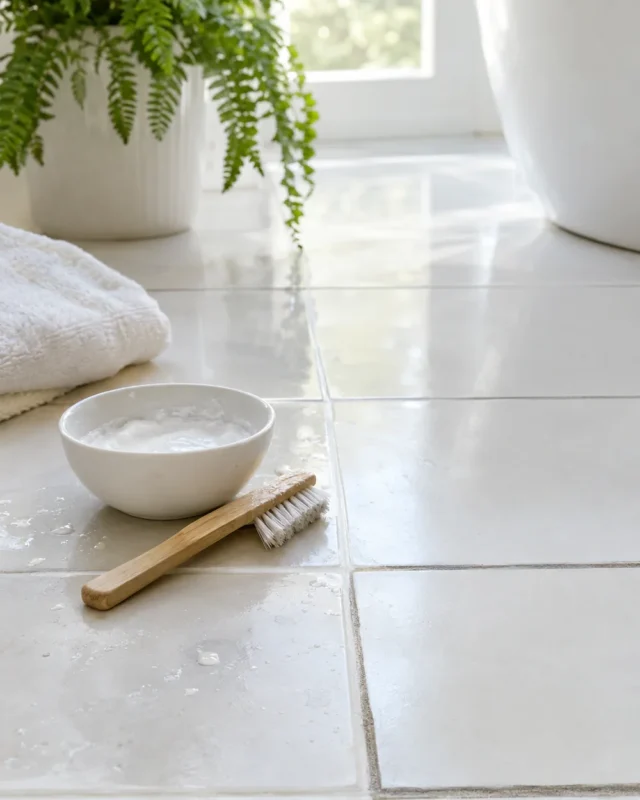
- Mop the kitchen and bathroom floors.
- Shake out the entry mat.
Time: about 30 to 45 minutes, depending on the size of your home.
Friday: Bedrooms and Laundry
- Strip and change the bed linens.
- Wash sheets and towels on a hot cycle.
- Clear nightstands and dresser tops.
- Put away any clothes that have drifted onto chairs.
Time: about 30 minutes plus laundry cycles.
Saturday: Catch Up and One Small Project
Use Saturday to finish anything you skipped during the week. If you are all caught up, pick one small project: wipe the inside of the microwave, clean the light switches, wash the trash cans or tidy a single drawer.
Sunday: Rest and Plan
Keep Sunday light. Do the daily reset, plan meals for the week, and check the calendar. Planning ahead is a quiet form of cleaning, because a week with a plan creates less clutter.
Supplies Worth Keeping on Hand
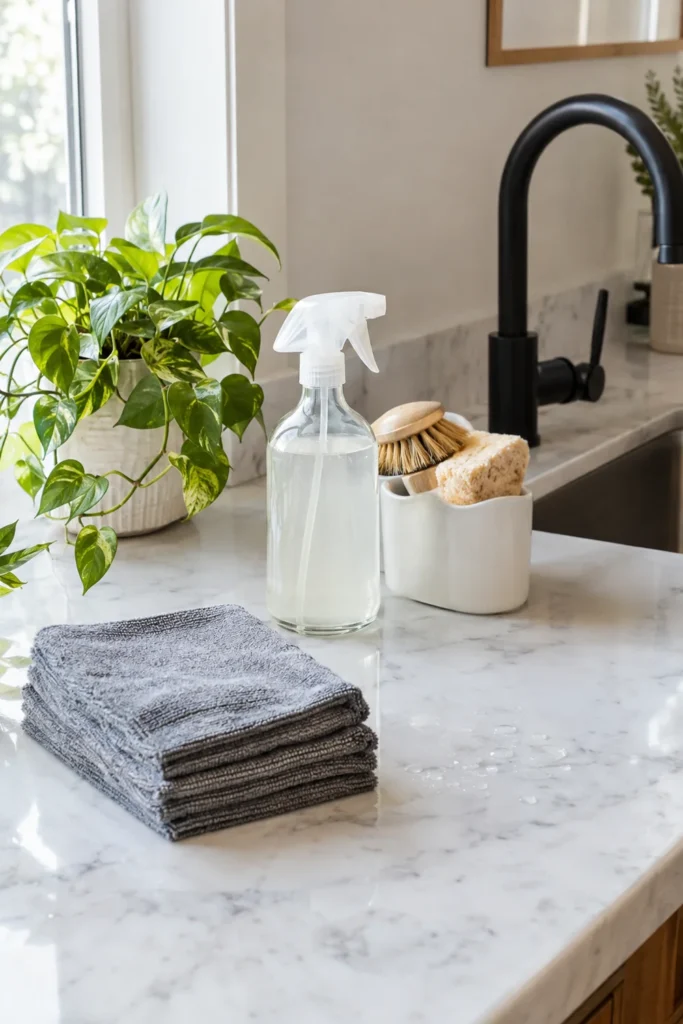
You do not need a cabinet full of products. A small, well chosen kit covers almost everything:
- A stack of microfiber cloths (a pack of 12 is usually under $15).
- An all purpose cleaner, store bought or a simple mix of warm water and a few drops of dish soap.
- White vinegar for glass and hard water spots.
- Baking soda for scrubbing.
- A toilet brush and a separate bathroom scrub brush.
- A vacuum with a hose attachment and a mop.
- A small caddy to carry everything from room to room.
Safety Notes for Cleaning Products
- Never mix bleach with ammonia or with vinegar. Both combinations release toxic gases. Bleach and acidic cleaners do not belong in the same bucket or the same toilet bowl.
- Open a window or run the fan when you use any strong cleaner, especially in small bathrooms.
- Test new cleaners on a hidden spot first, such as the inside of a cabinet door or a corner behind the toilet.
- Wear gloves for long scrubbing sessions to protect your skin.
- Store products up high or behind a locked door if you have children or pets.
How to Make the Schedule Stick
A schedule only works if you actually follow it. These habits help:
- Attach tasks to existing routines. Wipe the bathroom sink after brushing your teeth. Run the daily reset right after dinner.
- Use a timer. Knowing a task ends in 20 minutes makes it easier to start.
- Share the work. Assign one or two daily tasks to each person in the household. Even young kids can match socks or wipe a low shelf.
- Lower the bar on busy weeks. A quick wipe is better than skipping entirely.
- Write it down. Tape the schedule inside a cabinet door or keep it in your phone notes so you never have to remember it.
After two or three weeks, most people find the routine feels automatic. The house stays presentable, and weekends are free again.
Wrapping Up
A weekly cleaning schedule is not about perfection. It is about giving every chore a small, predictable slot so your home never gets away from you. Start with the 15 minute daily reset, add one focus area per day, and adjust until it fits your life.
Which day of the week is the hardest for you to keep up with, and what task would you move to make it easier? Tell us in the comments.
Quick Questions
How long should weekly cleaning take?
For an average home, plan on about 20 to 45 minutes a day for the focus task plus 15 minutes for the daily reset. Larger homes or homes with pets may need a little longer on floor day.
What should be cleaned every day?
Kitchen counters, the sink and dishes, a quick tidy of the main living area, and putting away clothes. These small tasks have the biggest impact on how clean a home feels.
How often should I wash bed sheets?
Once a week is a good rule for most households. Wash them on a hot cycle if the fabric care label allows it.
What if I miss a day?
Skip it and move on. The task will come around again next week. Trying to double up usually leads to burnout.