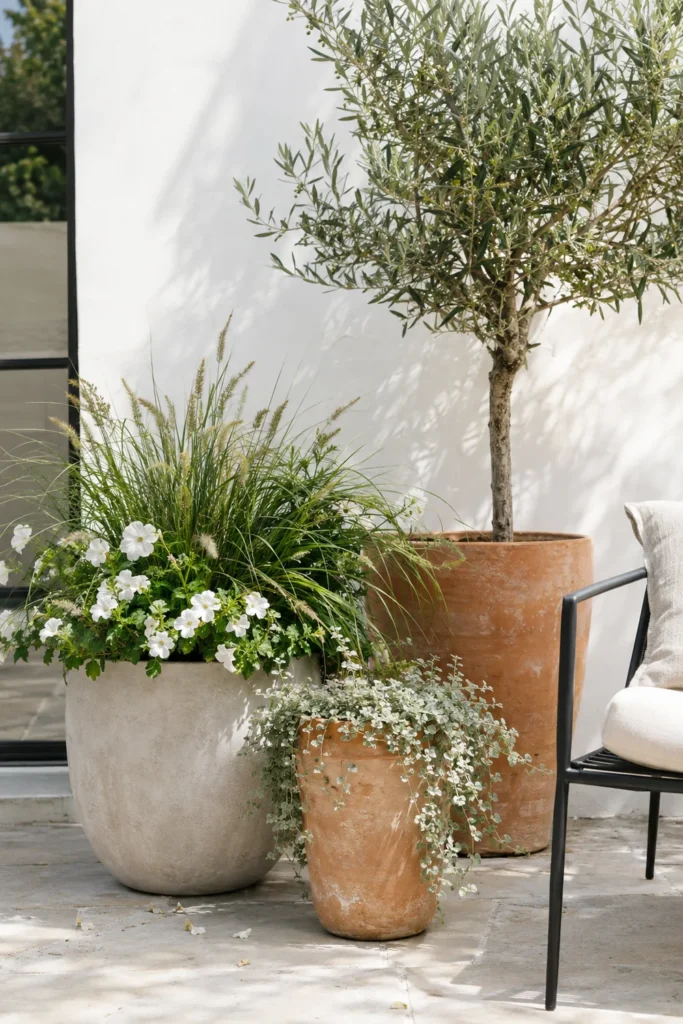
A patio can feel bare with just a table and chairs. Add a few well chosen containers and it suddenly feels like an outdoor room: softer, greener and much more inviting.
Container gardening is also forgiving. You can move pots to chase the sun, change plants by season and start small. A single large planter by the door can do more than a dozen tiny pots scattered around.
Here are patio container garden ideas that look lush and stay manageable all season.
Before You Plant: Three Quick Checks
- Know your light. Count how many hours of direct sun your patio gets. Full sun is 6 or more hours, part sun or part shade is 3 to 6 hours, and shade is less than 3.
- Go big on pots. Larger containers hold more soil, dry out more slowly and keep roots cooler. For a mixed planting, aim for at least 16 inches wide.
- Check drainage. Every pot needs a drainage hole. If a decorative pot has none, use it as a cover pot with a plain plastic pot inside.
1. Use the Thriller, Filler, Spiller Formula
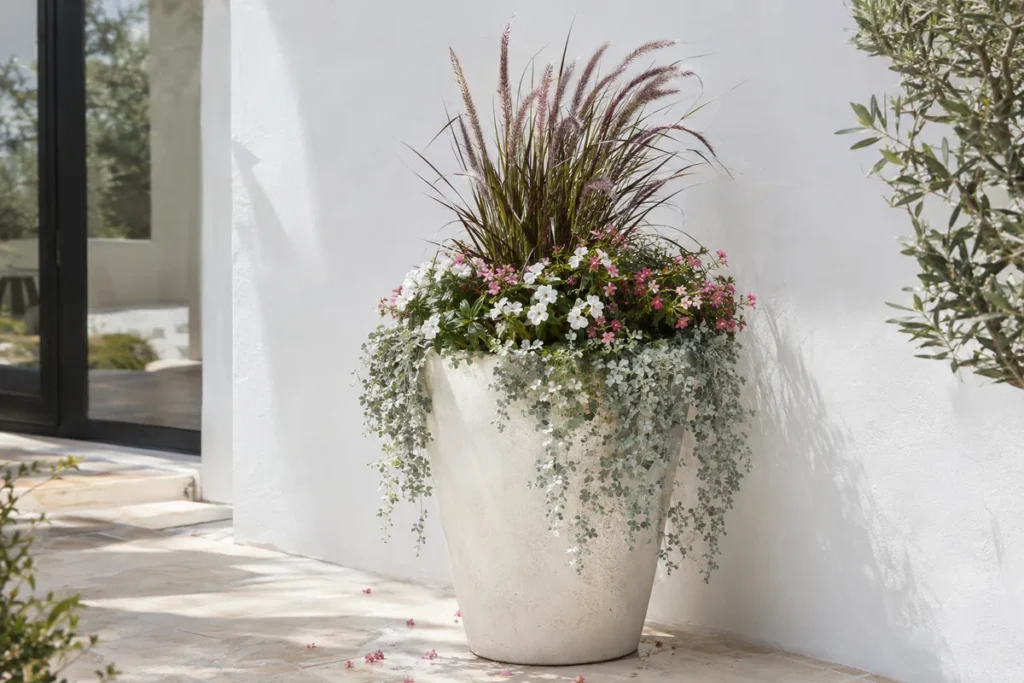
This simple designer trick makes any container look full and balanced.
- Thriller: one tall, eye catching plant in the center or back. Think ornamental grass, canna, or a small upright shrub.
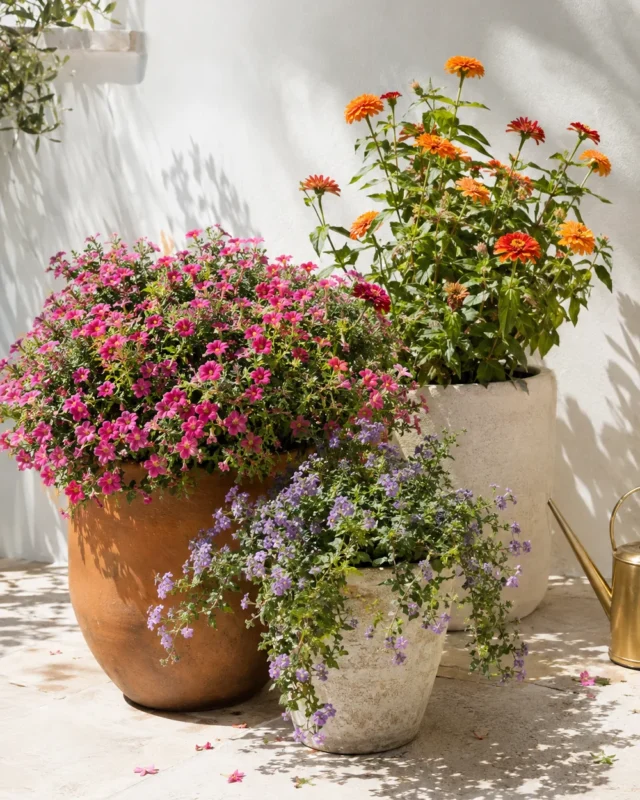
- Filler: two or three mounding plants around the thriller. Petunias, calibrachoa, coleus, or begonias work well.
- Spiller: one or two trailing plants at the edge to soften the rim. Try sweet potato vine, trailing verbena, or silver dichondra.
In a 16 to 20 inch pot, one thriller, three fillers and two spillers is usually plenty. Plant more closely than you would in the ground, about 6 to 8 inches apart, for a full look by midsummer.
2. Group Pots in Odd Numbers
Groups of three or five look more natural than pairs. Vary the heights, using one tall, one medium and one short pot, and keep a common thread such as the same material, color or plant.
Tip: set a smaller pot on an upturned planter or a stone plinth to add height without buying a bigger container.
3. Choose a Simple Color Palette
A clear color story makes a patio look calm and pulled together.
- Cool and calm: white, soft blue and silver foliage.
- Warm and sunny: coral, apricot and deep yellow with bronze leaves.
- All green: grasses, ferns and herbs in different textures for a modern, restful look.
Pick two or three flower colors plus foliage, and repeat them across the pots.
4. Make a Patio Herb and Salad Garden
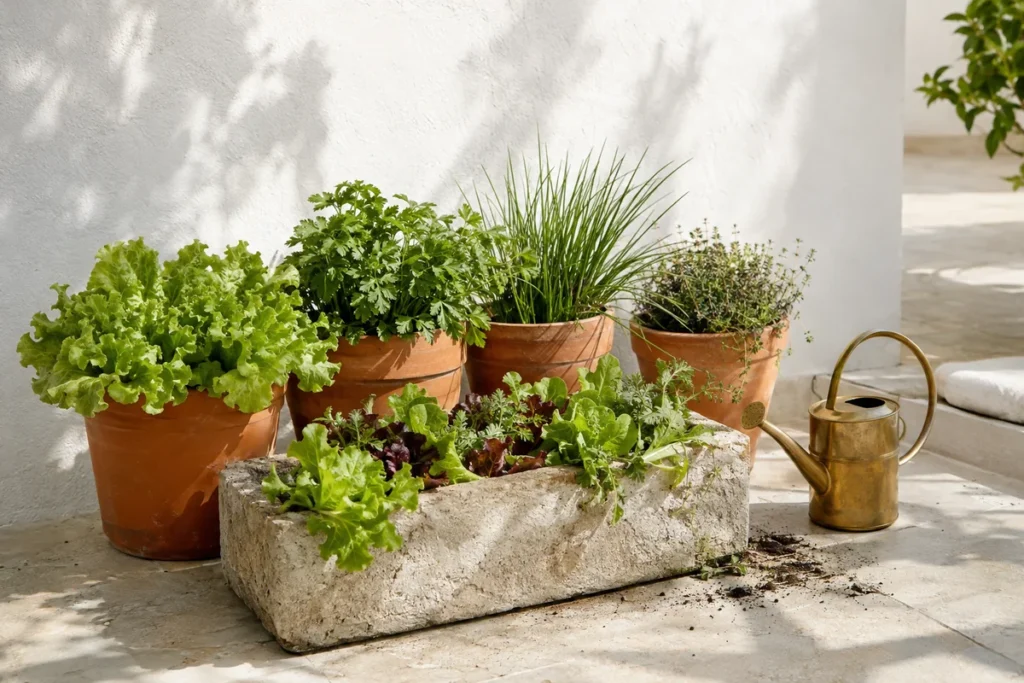
Edible containers are pretty and practical. A sunny patio with 6 or more hours of light can grow:
- Herbs: basil, parsley, thyme, rosemary and chives. Keep mint in its own pot.
- Salad greens: loose leaf lettuce, arugula and spinach in a wide trough 6 to 8 inches deep. Sow in spring and again in late summer, since greens bolt in the heat.
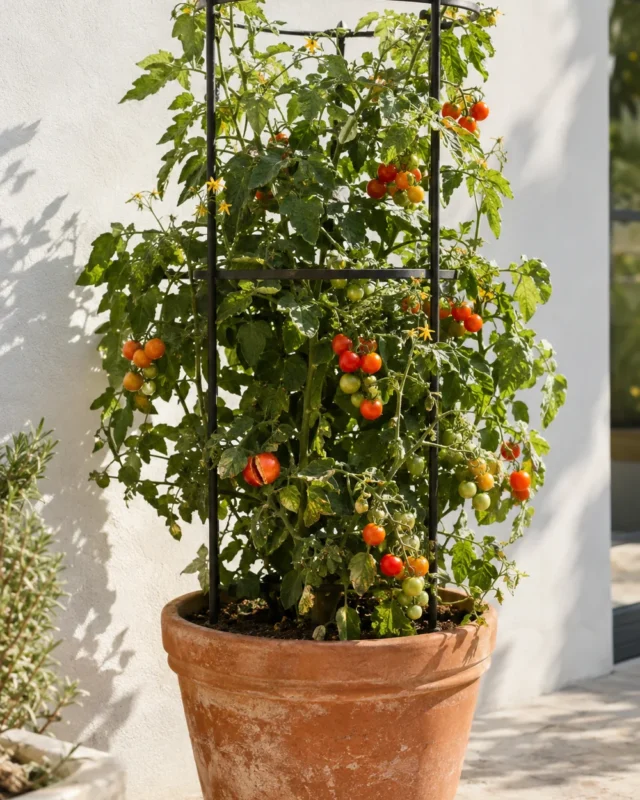
- Compact vegetables: patio tomatoes, peppers, bush beans and dwarf cucumbers in pots at least 5 gallons in size.
Place edibles close to the kitchen door so you actually use them.
5. Add a Small Tree or Shrub for Structure
A single larger plant gives a patio a sense of permanence. Good options for big containers (at least 20 inches wide and deep) include:
- Dwarf citrus (lemon, kumquat) in warm climates or brought inside for winter in colder zones.
- Olive trees, hardy to around zone 8 or 9, lovely with silvery leaves.
- Japanese maple, best in part shade, hardy in containers to around zone 6 with winter protection.
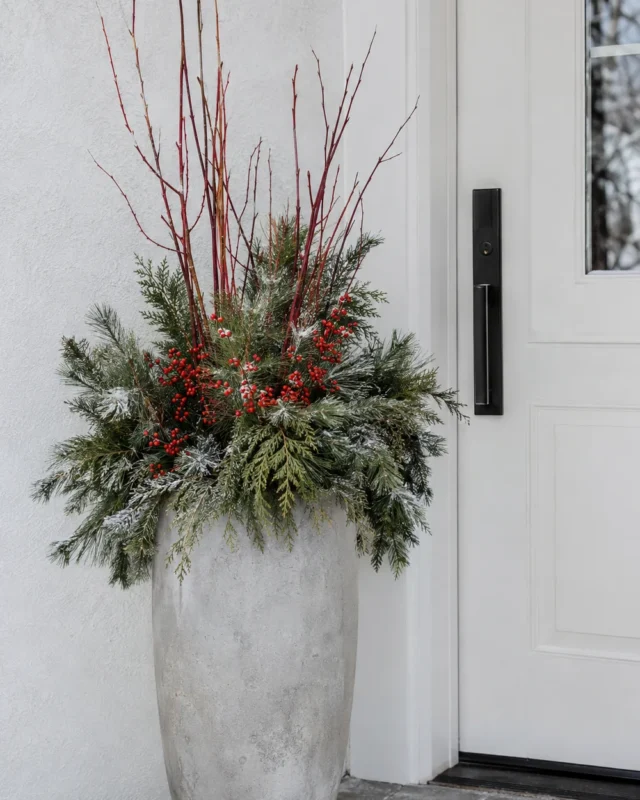
- Boxwood or dwarf conifers for year round green.
Pet note: boxwood and many citrus plants are listed as toxic to cats and dogs, so think about placement if pets spend time on the patio.
6. Bring Life to a Shady Patio
Shade does not mean dull. These plants thrive with less than 4 hours of sun:
- Ferns for soft, feathery texture
- Hostas with bold leaves in green, blue or variegated forms
- Begonias and impatiens for steady color
- Coleus with vivid patterned foliage
- Heuchera in shades from lime to deep plum
Pale and white flowers glow in shade, especially in the evening.
7. Try Ornamental Grasses for Movement
Grasses add height, movement and a modern feel. Fountain grass, blue fescue and carex all grow well in pots. They need little care beyond watering and a trim in late winter or early spring.
8. Use Wide, Low Bowls for Succulents
For a hot, sunny spot or a patio table, a shallow bowl of succulents is close to carefree. Use cactus and succulent mix, add a top layer of pale gravel, and water only when the soil is completely dry. In colder climates, bring tender succulents indoors before the first frost.
Choosing the Right Containers
- Terracotta: classic and breathable but dries quickly and can crack in hard freezes.
- Glazed ceramic: holds moisture well and comes in beautiful colors, but is heavy.
- Fiberglass and resin: lightweight, frost resistant and easy to move, often made to look like stone.
- Concrete or stone: sturdy and modern, best for permanent spots.
Large pots get heavy once filled. Place them before planting, or use a wheeled plant caddy so you can move them later.
Watering and Feeding Containers
Containers dry out far faster than garden beds.
- Water when the top inch of soil is dry. In summer heat, that can mean once or even twice a day for small pots.
- Water deeply until water runs from the drainage hole.
- Feed with a slow release fertilizer at planting, then add a liquid fertilizer every 2 weeks from midsummer on for heavy bloomers.
- Deadhead faded flowers weekly to keep blooms coming.
A simple drip kit with a timer (often $30 to $60) is worth considering if you have many pots or travel often.
With a few thoughtfully planted containers, any patio, balcony or front step can feel like a real garden.
Which of these patio container ideas would you try first on your own patio? Tell us in the comments.
Quick Questions
How many plants should go in one container?
For a 16 inch pot, five or six plants is a good starting point. Container plantings are meant to look full, so they can be planted closer than in garden beds.
What soil should I use for patio containers?
Use a quality potting mix, not garden soil. Garden soil compacts in pots and drains poorly. For succulents and Mediterranean herbs, add perlite or grit.
How do I keep containers from drying out so fast?
Choose bigger pots, group them together, mulch the soil surface lightly, and avoid tiny pots in full sun. Glazed or fiberglass pots hold moisture longer than terracotta.
Can I leave containers outside in winter?
It depends on the plant and the pot. Hardy plants usually survive in pots that are frost resistant, especially if the plants are rated at least two zones colder than yours. Terracotta can crack in hard freezes.